.png)


The transition from a stable environment to something new is often sold as an "exciting leap," but the psychological reality is usually much grittier. There is a specific, uncomfortable window of time where you’ve traded the "known" for the "unknown," and in that gap, things almost always feel worse before they feel better.
Here is a post exploring why that dip exists and why it’s actually a sign of progress.
The Stability Trap: Why "Worse" is Part of the Process
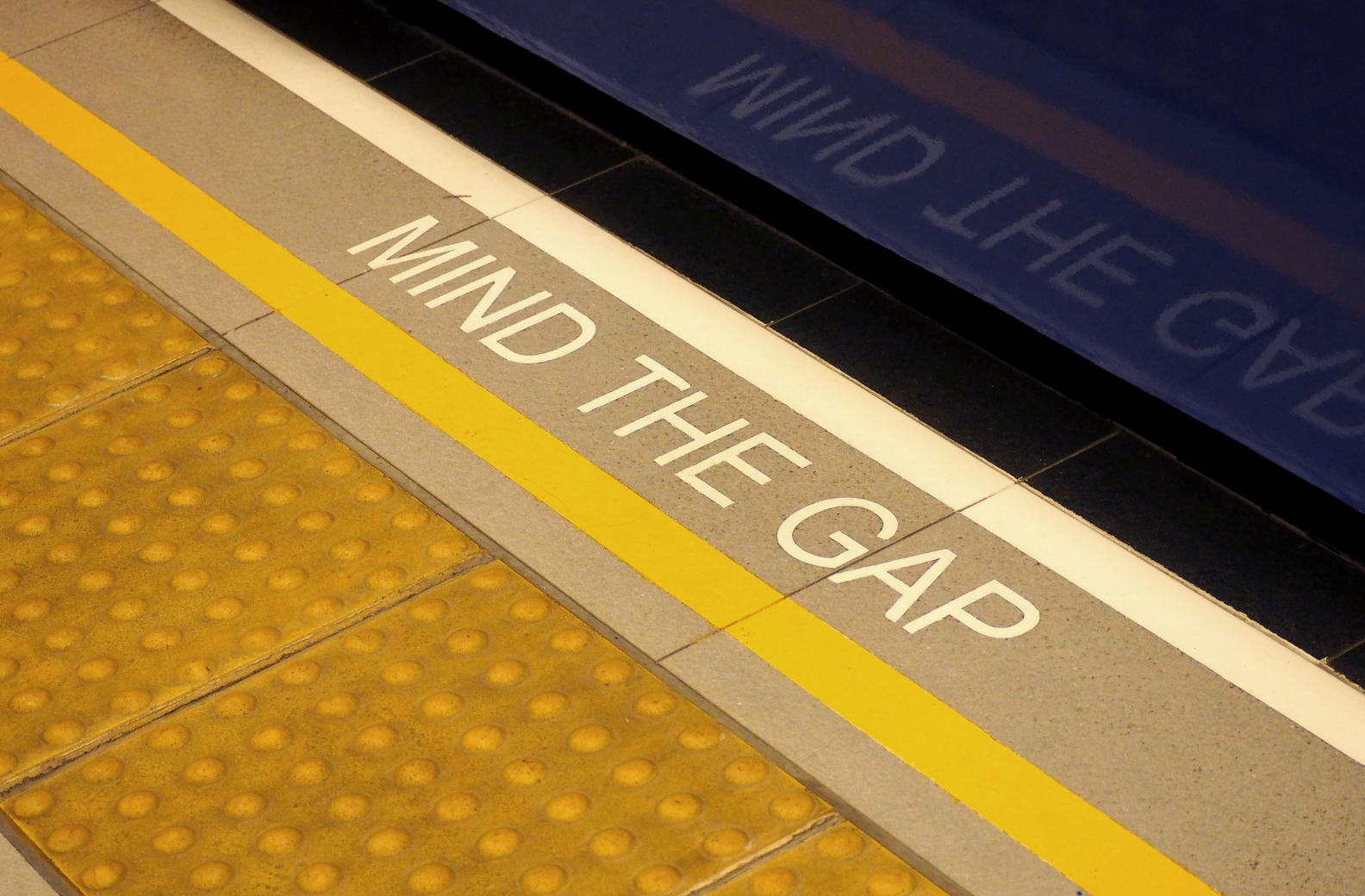
Leaving a stable situation - whether it’s a long-term role, a predictable business model, or a comfortable system - is rarely a linear climb to the top. Instead, it’s a dive into a "valley of uncertainty."
If you are currently in the middle of a transition and wondering if you made a mistake, here is why your brain is telling you things are worse (and why it’s lying).
"The transition is the place where the old world has died, but the new one hasn’t been born yet. In that gap, fear masquerades as a memory of how good things used to be."
1. The Loss of "Cognitive Ease"
Stability is more than just a paycheck or a routine; it is cognitive ease. When you’ve been in a stable environment for a long time, your brain operates on autopilot. You know the politics, the technical debt, and the unwritten rules.
The moment you leave, every single micro-decision requires manual processing. This creates decision fatigue. Because everything is new, your brain is working 10x harder to achieve the same results, making you feel less competent than you actually are.
2. The "Sunken Cost" Echo
Humans are hardwired to avoid loss more than we are driven to achieve gains. When you leave stability, you are hyper-aware of what you gave up (the "safe" bet), while the rewards of your new path are still theoretical.
This creates a temporary imbalance where the cost is visible and the value is invisible. It feels worse because you are staring at an empty space where your safety net used to be, but you haven't yet built the new structure to catch you.
3. The Identity Void
Much of our confidence is tied to our context. In a stable environment, you have a "standardised" identity - you are the person who solves X problem or manages Y system.
When you move into the unknown, that identity resets. You go from being an expert to a student overnight. That "worse" feeling is often just the growing pains of shedding an old skin that no longer fits, but the new one hasn't hardened yet.
4. The J-Curve of Growth
In systems thinking, this is often referred to as the J-Curve. To get to a higher state of performance or happiness, you almost always have to go through a period of decreased stability first.
- The Old State: Low growth, but high predictability.
- The Dip: High chaos, low predictability (where you are now).
- The New State: High growth, high reward.
The dip isn't a sign of failure; it’s the energy requirement for the transition. You can't rebuild a foundation while the old house is still standing on it.
Moving Through the Fog
If it feels worse right now, it’s likely because you’ve successfully dismantled the old system but haven't fully calibrated the new one. The discomfort is the proof that you’ve actually left.
The goal isn't to avoid the "worse" phase - it’s to realize that the dip is the only bridge to the "better." Stay the course; the clarity usually arrives just when you’re most tempted to turn back.